What Causes Pipes to Leak in Malaysian Homes?
Corrosion, joint failure, pressure, and age all cause leaks. Understand the causes specific to local conditions and piping.
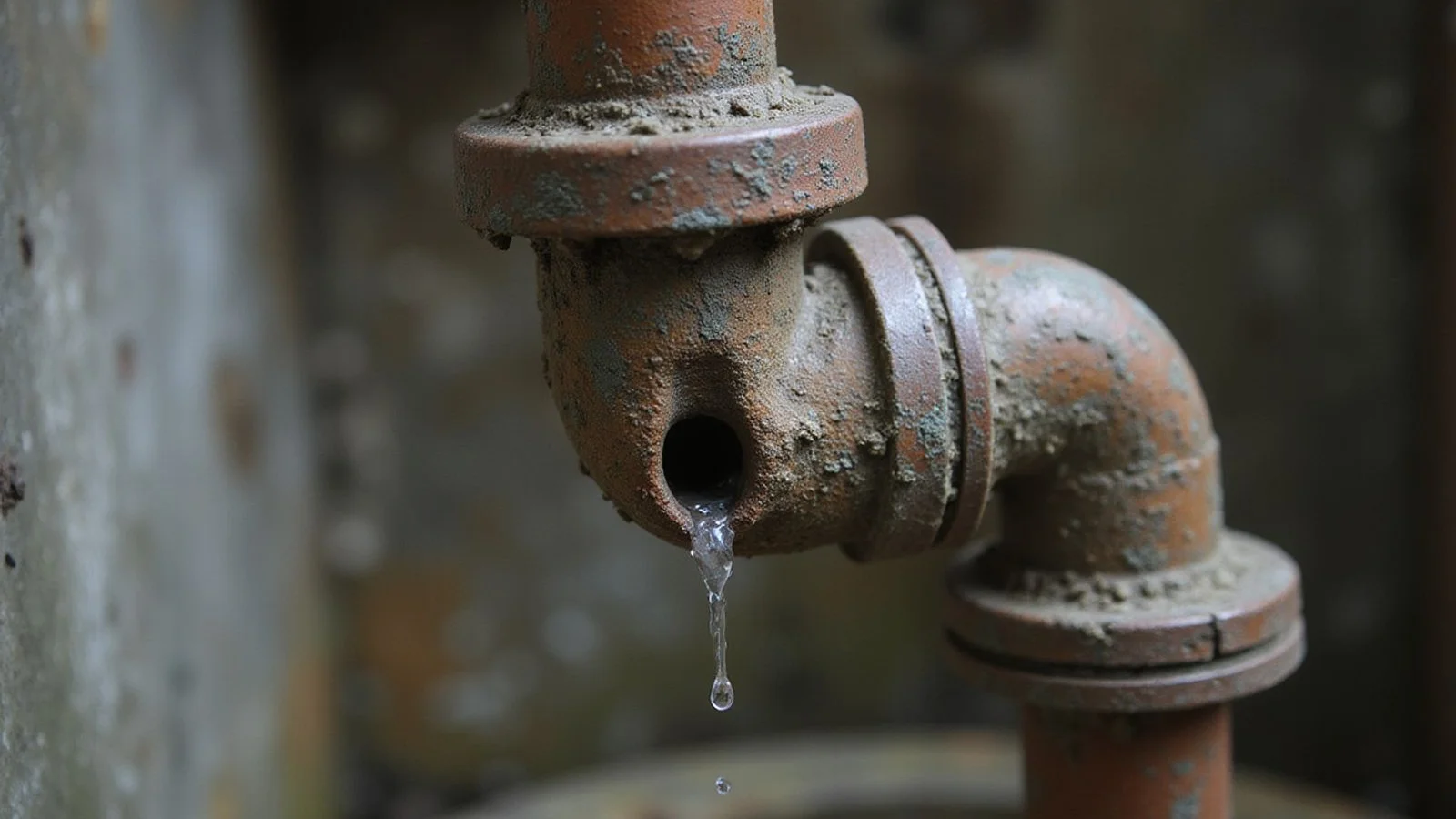
When people ask why do pipes leak, they often treat the issue as a random stroke of bad luck. We know these failures are highly predictable events driven by local conditions.
Knowing the exact cause matters because it tells you whether a spot repair will hold or if the entire line is on the verge of collapse.
We see this exact scenario daily across homes in the Klang Valley. The root issue often dictates the longevity of the fix.
Let’s look at the data to understand the primary causes of pipe leaks and how to address them effectively.
1. Corrosion (Metal Pipes)
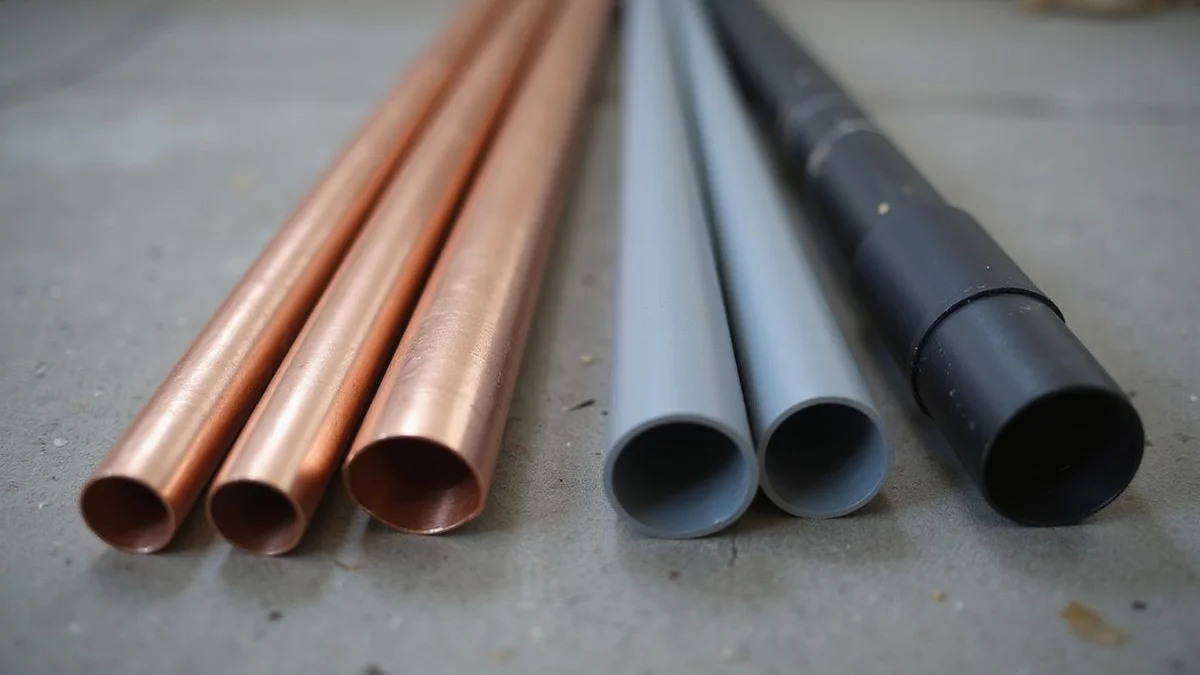
Internal decay is a quiet but aggressive enemy. In copper pipes, the water itself acts as a slow solvent.
Mineral content, fluctuating oxygen levels, and slight acidity gradually thin the inner wall. We usually see the first pinhole leak form after 25 to 40 years. Within another decade, multiple pinholes will inevitably appear along that exact same length.
Older galvanised steel pipes face a much harsher reality. Many 1970s-era Puchong homes still rely on these outdated lines. We have found that pipe corrosion in Malaysia accelerates their demise due to the unique climate and soil conditions. Data shows that galvanised pipes can structurally fail in as little as 10 to 25 years when exposed to corrosive, humid environments or low-resistivity soils.
Rust builds up from the inside out, creating two distinct problems:
- Restricting water flow dramatically over time.
- Contaminating your supply with a noticeable brown tint.
If you spot one leak in an ageing metal system, a permanent solution is required. Spot repairs only buy a little time. We recommend a complete repiping with modern, corrosion-resistant materials as the only lasting fix.
2. Joint and Fitting Failure
Every connection point in your plumbing is a potential weak spot. Failures at these junctions rarely happen by chance. We trace most of these problems back to a handful of very specific installation or environmental issues. Plumbers frequently encounter these common culprits:
- Substandard materials: Using non-SIRIM certified PVC fittings often leads to premature cracking under pressure.
- Poor installation technique: Under-torqued threaded joints, dry-soldered copper, or mis-glued PVC create immediate vulnerabilities.
- Movement or vibration: Connections near booster pumps or water heaters naturally loosen over time.
- Thermal cycling: Repeated heating and cooling at hot-water junctions degrades the sealing materials.
Addressing a compromised joint is often straightforward. We can usually cut out the bad section and install a high-quality replacement properly. The rest of the line will typically remain sound.
The Cost of Cheap Fittings
Property owners must verify the materials being used during repairs. We always advise using a reputable, SIRIM-certified brand like BBB for PVC fittings to ensure the plastic can handle local pressure fluctuations. Cheap, uncertified alternatives might save a few ringgit upfront but frequently fail within a year. You will save money in the long run by insisting on quality components.
3. High or Fluctuating Pressure
If your incoming water pressure is unusually high, every single component in your system is under constant, extreme stress. We find that anything exceeding 80 psi will actively damage fixtures and void most appliance warranties. The recommended safe water pressure for a residential property in Malaysia is between 45 and 55 psi.
Sudden pressure spikes explain exactly why pipes burst when the system is over-stressed. Our teams notice this frequently when Air Selangor restores supply after a scheduled disruption, as the returning water creates a massive hydraulic shockwave. This Joukowsky surge slams into closed valves and pipe bends, dramatically increasing the internal force.
You can usually spot pressure-related issues quite easily. Look for these warning signs:
- Multiple unrelated leaks appearing within a short window.
- Connections near the main supply entry failing before other areas.
- A loud banging sound in the walls when a tap shuts off.
The most effective fix is installing a pressure-reducing valve (PRV) on your incoming supply line. We regularly install adjustable brass PRVs, which typically cost between RM 50 and RM 140 for the unit, to keep household pressure safely below 60 psi.
4. Mechanical Damage: Why Do Pipes Leak Underground?
Sometimes a pipe fails simply because it takes a physical hit. We see accidental impacts during renovations as a leading cause of localized flooding. A stray drill bit piercing a concealed wall pipe or a nail driven into a floor line will cause immediate problems.
Environmental shifts also play a surprising role in underground damage. Our local experience shows that soft soil settling can cause extreme stress on buried lines. The major 2025 gas pipeline blast in nearby Putra Heights demonstrated how moist, unstable ground causes cyclic loading and eventual physical failure. We see a smaller-scale version of this in newer Puchong developments, where soil movement cracks rigid underground water mains.
These breaks are usually obvious because water pools exactly where the damage occurred. The repair process requires opening up the affected wall, floor, or earth to replace the crushed section.
Material Matters
Different materials fail in completely different ways. We highly recommend understanding your options before committing to a full system replacement.
Chlorinated Polyvinyl Chloride (CPVC) is now widely used in Malaysia because it safely handles hot water up to 93°C without degrading. Modern plastics like standard PVC and PPR offer excellent resistance to the moist, acidic local soil conditions that quickly destroy metal.
For a deeper look at choosing replacement piping, see Copper vs. PVC vs. PE.
When to Repair vs Repipe
A single isolated leak in an otherwise healthy system is a standard repair job. We can usually cut out the damaged segment and restore function quickly using compression fittings or fresh solvent cement.
Multiple leaks appearing within a 6 to 12-month period indicate a systemic failure. This pattern suggests the pipe material has reached the end of its functional lifespan. We find that a targeted repipe of that specific zone is the most cost-effective answer, saving you from repeated RM 150 to RM 300 emergency call-out fees.
A whole-house failure pattern requires a completely fresh start. We strongly suggest full repiping with modern materials to protect your property from catastrophic water damage.
| Situation | Recommended Action | Expected Outcome |
|---|---|---|
| Single isolated leak | Spot Repair | Immediate fix, preserves existing line |
| Multiple leaks in 6-12 months | Targeted Repipe | Stops recurring damage in that specific zone |
| Widespread system failure | Full Repiping | Permanent solution, fully protects property |
See our pipe repair service for both kinds of work.
If you are still wondering why do pipes leak in your specific property, book an inspection.
We can evaluate your entire system and give you a clear, data-driven recommendation.
Related Service
Pipe Repair & Leak Detection
We find and fix hidden leaks, burst pipes, and slab leaks using non-destructive acoustic and thermal detection.
Learn About This Service