
Repair vs. Repipe: Which Does Your Home Need?
One spot repair or a whole-house repipe? Compare pipe age, leak frequency, and material to learn when each makes sense.
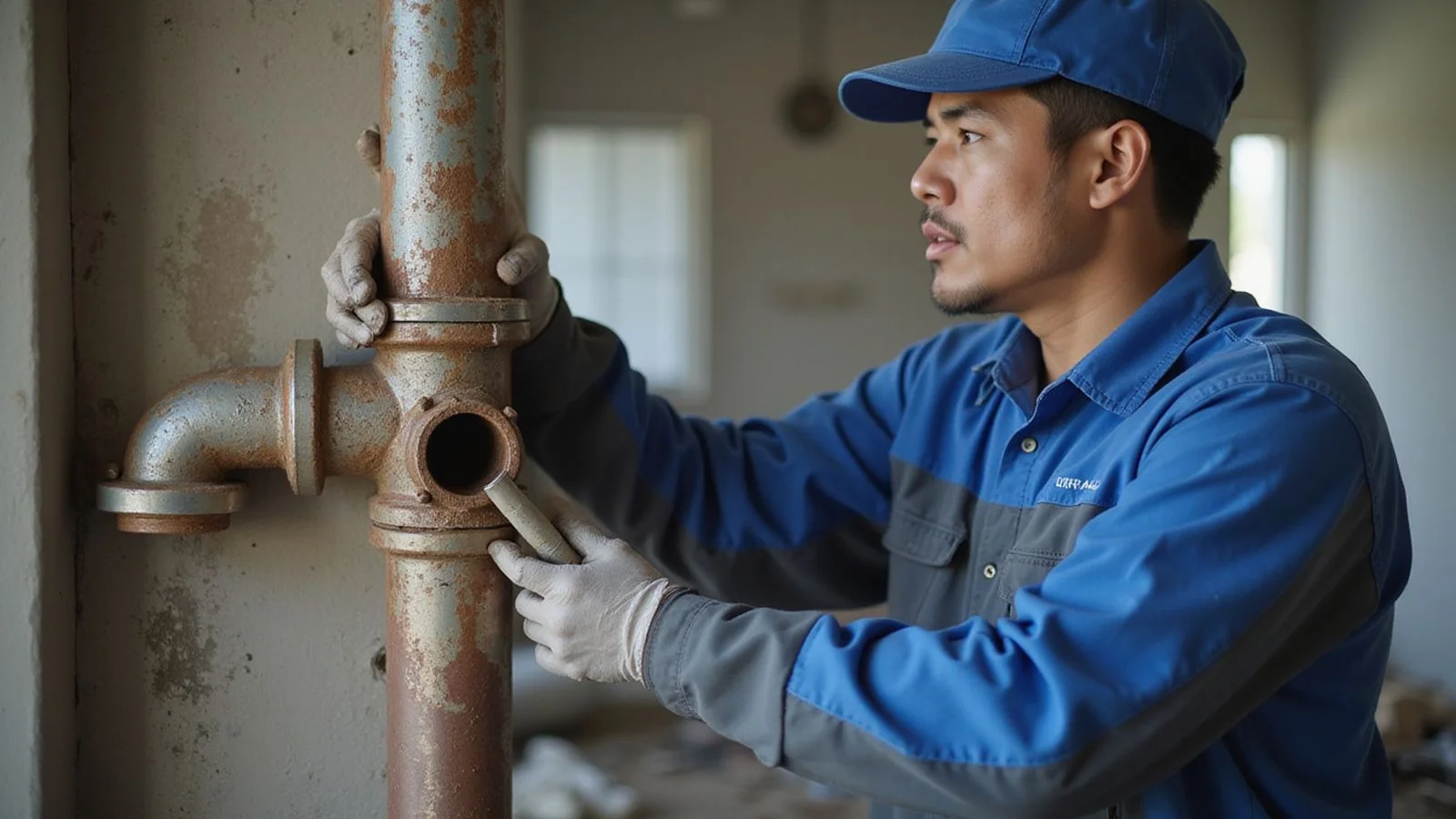
We hear the same question from homeowners every time a leak gets patched. That question is simply whether the fix will hold, or if another pipe is about to fail. This pipe repair vs repipe dilemma is incredibly common in older Puchong neighbourhoods right now.
Our team often discovers that a single localised issue points to a much larger systemic failure. Air Selangor data shows standard residential water pressure sits between 45 and 55 psi. That consistent pressure easily exploits the weakest points in an aging plumbing network.
The 45 psi mark is often the dividing line between a minor drip and a major burst.
Our strategy involves evaluating the actual pipe condition to stop the cycle of endless repairs. Let’s look at the real data, explore the spot repair vs repipe options, and walk through the exact steps to determine the best choice for your property.
When a Spot Repair Is Enough
A spot repair is the right call when the leak is an isolated event on an otherwise healthy line. This focused fix works best under these specific conditions:
- The leak is isolated to one specific cause, like a hit pipe, a single joint failure, or mechanical damage.
- The surrounding pipework is in good condition, showing no visible corrosion or other suspect spots.
- The pipe material is under 25 years old and far from the end of its expected life.
- It is the first leak on this system, rather than part of a recurring pattern.
Our plumbers recommend this approach if a stray nail pierced a wall pipe during a DIY project. Minor localised fixes in the Klang Valley generally cost between RM100 and RM400.
When Repiping Makes Sense
Move to a whole house repiping if multiple leaks appear within six to twelve months on the same line. The decision boils down to whether you are fixing a one-off accident or battling a dying plumbing network.
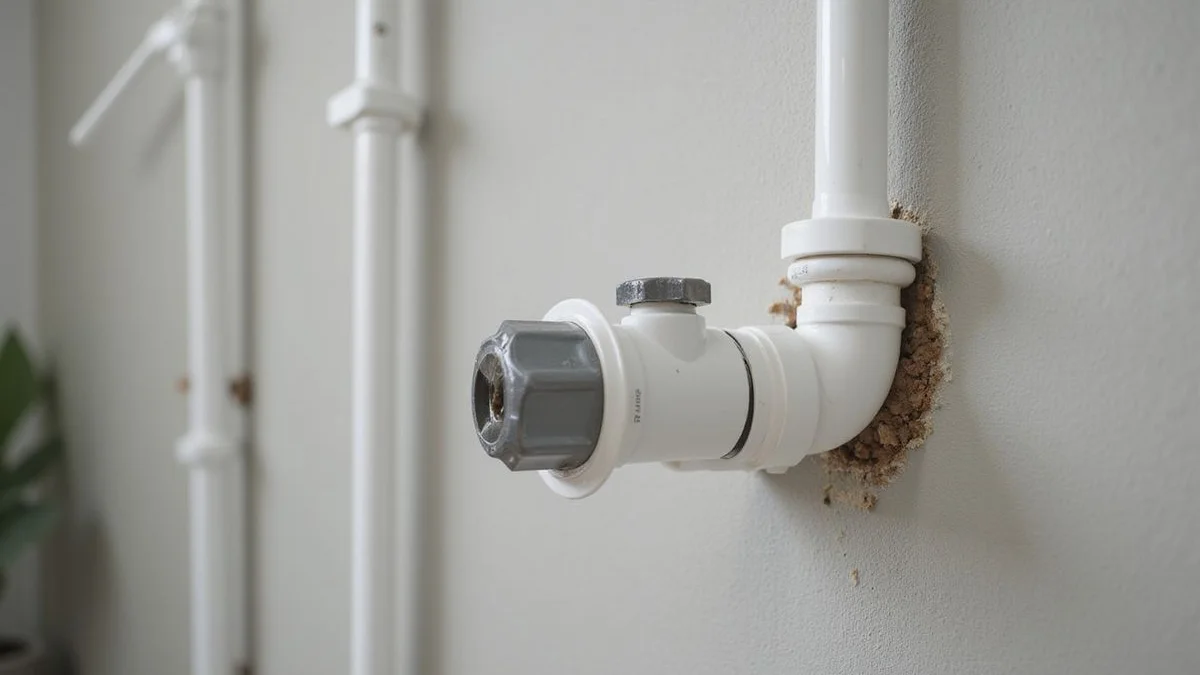
Our crews frequently spot specific warning signs that indicate a complete replacement is necessary:
- Multiple leaks have surfaced within 6 to 12 months on the exact same line.
- The piping is 30+ years old, which is a common issue for galvanised steel in older Puchong homes.
- You see green corrosion staining at multiple copper fittings.
- Water pressure has been dropping over time, falling well below the standard 45 psi Air Selangor benchmark.
- The slab leak you are repairing sits in a section that is about to develop more fractures.
Those symptoms confirm that the metal or plastic is actively breaking down. We always advise a permanent upgrade when mature estates experience these cascading failures.
Decision Factors: Pipe Repair vs Repipe
Your decision should rely entirely on the age of your pipes, the frequency of leaks, and the visible material condition. Let’s break down how each factor impacts the long-term safety of your home.
Age of Existing Pipe
Most older Malaysian homes feature galvanised steel or standard copper supply lines. Our experts know these legacy materials eventually succumb to internal rust and scaling. Modern properties increasingly use High-Density Polyethylene (HDPE) or Polypropylene Random Copolymer (PPR) for superior longevity.
| Material | Expected Life | Time to Consider Repiping |
|---|---|---|
| Copper | 40-50 years | After 30, monitor closely |
| Galvanised steel | 30-40 years | At 25+, plan replacement |
| PVC | 25-40 years | After 25, watch fittings |
| PE / HDPE | 30-50 years | After 30, watch fittings |
| PPR | 50+ years | After 40, check fusion joints |
Leak Frequency
Two or more leaks on the same line within a single year establish a clear pattern of failure. We view a second leak as a confirmed warning sign that the pipe wall is heavily compromised. Chasing multiple small leaks quickly drains your budget and tests your patience.
Material Condition
Opening up a wall often reveals the hidden truth about your plumbing health. Our technicians will physically show you the corrosion spreading across a single fitting. If one joint looks bad, the other connections on that same line are likely decaying too.
Red rust on steel pipes or white chalky buildup on PVC points to severe material stress.
Partial vs Full Repipe
Repiping a home does not automatically mean tearing out every single pipe in the building. Our teams frequently execute partial repipes that target only the most vulnerable zones. This targeted strategy saves money while resolving the immediate threat.
Common scopes include:
- One line replaced: Upgrading just the hot-water supply line or a single bathroom’s feed.
- One floor: Replacing the upstairs supply lines while leaving the downstairs intact, a common fix for two-story terrace houses in Selangor.
- Full house: Replacing both supply and hot-water systems for maximum security.
You can review the specific pipe material choices in our dedicated comparison guide.
What Repiping Involves
A well-planned repiping project is far less disruptive than most homeowners fear. Our installation teams prioritise routing new pipes above the slab whenever possible. This surface-routing method completely avoids the costly nightmare of hacking up your ground-floor tiles.
The standard process includes:
- Survey: The team maps the existing system and plans efficient new routes.
- Route new pipes: Installers run lines along walls, through ceilings, or above false ceilings.
- Connect new lines: The fresh pipes are secured to your existing sinks, toilets, and showers.
- Pressure-test: The new network undergoes strict pressure testing to ensure zero leaks.
- Abandon the old line: Technicians drain and safely cap the defunct underground pipes.
The entire work typically takes two to five days for a full-house repipe, with limited disruption to your daily routine. We ensure your home remains liveable during the transition.
Costs
When weighing pipe repair vs repipe, a spot fix is the cheaper immediate option, but a full replacement is the most economical long-term choice. We always advise clients to calculate their cumulative plumbing expenses over the last 24 months. If you have spent more than a third of a repipe cost on temporary patches, replacing the system makes financial sense.
For expert pipe repair or repiping, we will inspect your lines, assess the damage, and tell you exactly which option fits your situation.
Related Service
Pipe Repair & Leak Detection
We find and fix hidden leaks, burst pipes, and slab leaks using non-destructive acoustic and thermal detection.
Learn About This Service