
Do I Have a Concrete Slab Leak?
Warm floor spots, unexplained damp, and a running meter can mean a slab leak. Learn the symptoms, risks, and how slab leaks are repaired.
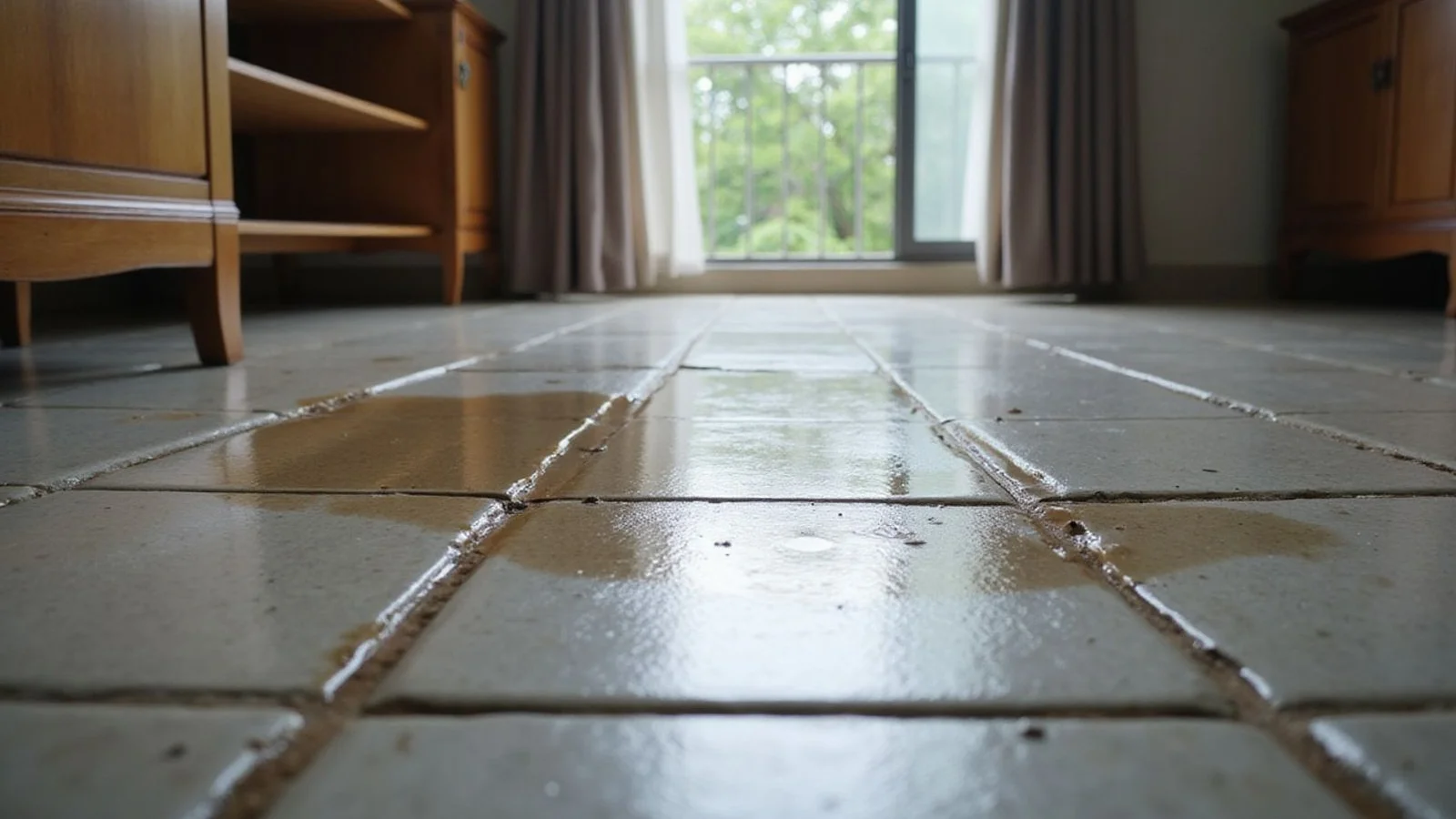
From what I have seen, a hidden plumbing issue is the quickest way to ruin a perfectly good week for any property manager or homeowner. A slab leak, which is water escaping from a pipe encased in your concrete floor, creates a unique level of stress because the damage is entirely invisible at first. The pipe rests buried in solid concrete, meaning symptoms usually appear only after water has been spreading for weeks.
Our team knows exactly how frustrating this discovery can be. Recognising the concrete slab leak signs early is the absolute best way to protect your property and your wallet.
Here is exactly how to identify the problem, why it demands immediate action, and how the repair process works without destroying your entire floor.
The Tell-Tale Signs
We often get calls from homeowners in Puchong who suspect something is wrong but cannot pinpoint the source. The soil and structural shifting in this region make homes particularly vulnerable to an underground pipe leak.
Catching the issue early requires knowing exactly what to look for.
A Warm Patch on the Floor
If you walk barefoot through your kitchen and one specific tile feels noticeably warmer than the rest, you might be dealing with a hot-water slab leak. The escaping hot water continuously heats the surrounding concrete and flooring materials.
Our technicians frequently trace these warm spots directly back to a compromised hot water line. The warmth often feels like radiant floor heating, which is a massive red flag in a Malaysian climate.
Unexplained Damp on the Floor
Tile that always feels slightly damp is a classic warning sign. You might also notice a grout line that remains stubbornly discoloured near suspected pipe runs, especially around bathrooms or water heater installations.
Moisture wicks upward through the porous concrete. This capillary action eventually pushes water right through your grout lines and skirting boards.
Running Air Selangor Meter With Taps Off
This is the definitive confirmation step for any suspected leak. Close every single tap, switch off all water filters and washing machines, and walk out to check your Air Selangor water meter.
Our routine inspections always start with this simple meter test. If the black digits or the red dial are still moving and your house is completely dry inside, a slab leak is highly probable.
Drop in Water Pressure
According to Suruhanjaya Perkhidmatan Air Negara (SPAN) standards, Malaysian residential water pipes are designed to handle working pressures around 10 to 15 bar. A significant leak bleeds this pressure off the system rapidly.
You will likely notice this as a sudden, unexplained weakening of your shower flow. The pressure drop happens because the water is escaping into the soil rather than reaching your fixtures.
Sound of Running Water
In a quiet house at night, it is sometimes possible to hear a faint rushing sound near the floor. This hiss or murmur usually occurs directly above the broken pipe section.
We always tell clients to listen closely in the room where they suspect the issue. Sound travels surprisingly well through dense concrete.
Why Slab Leaks Are Urgent
Ignoring the slab leak symptoms will turn a manageable repair into a structural nightmare. The financial and physical toll on your property escalates rapidly every single day the water flows.
Our structural assessments in Selangor consistently show that immediate action prevents catastrophic secondary damage. The unique geography of the area makes this even more critical.
Here is exactly what happens when a leak goes unaddressed:
- Soil Erosion and Settling: Many areas in Puchong sit on ex-mining land, which contains unstable sand and clay mixtures. Water erodes this soil quickly, leading directly to foundation settling and dangerous sinkholes.
- Severe Property Damage: Rising moisture destroys expensive timber flooring, ruins custom skirting boards, and causes wall plaster to bubble.
- Rapid Mould Proliferation: Damp, dark cavities behind adjacent walls create the perfect breeding ground for toxic mould.
- Crushing Water Bills: Following the September 2025 Air Selangor tariff update, Tier 3 domestic usage exceeding 35 cubic metres now costs RM3.51 per cubic metre. A constant leak will inflate your monthly bill by hundreds of ringgit.
- Expanded Repair Scope: As the water spreads horizontally, the eventual repair zone grows much larger.
The earlier the leak is isolated, the less collateral damage you will have to finance.
How Slab Leaks Are Detected
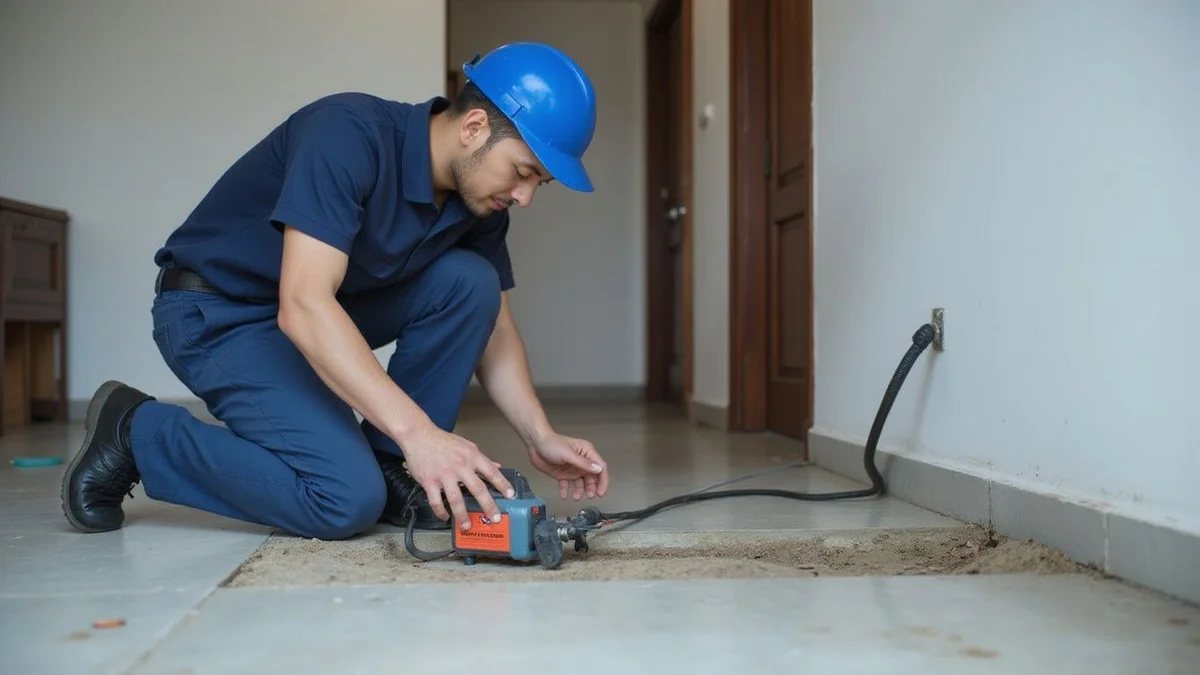
We rely on highly sensitive, non-destructive equipment to locate the exact source of the problem before breaking any tiles. You can read the technical details of our methodology in this guide on how leak detection works.
Guesswork has absolutely no place in modern plumbing diagnostics. Precision tools allow us to pinpoint the leak with incredible accuracy.
The standard professional detection process involves three specific technologies:
| Detection Method | Equipment Used | How It Pinpoints the Leak |
|---|---|---|
| Acoustic Profiling | Sewerin AQUAPHON A 200 or Fuji Tecom HG-10A11 | Highly sensitive ground microphones listen for the distinct high-frequency hiss of water escaping a pressurized pipe. |
| Thermal Imaging | FLIR Infrared Cameras | Infrared sensors map the surface temperature of the floor to identify abnormal warm or cool water blooms under the tiles. |
| Pressure Isolation | Pressure Test Pumps and Gauges | By sealing off specific lines and watching for pressure drops, the technician confirms exactly which pipe route has failed. |
Our combination of these methods usually narrows the target zone to a tiny 20 to 30 centimetre radius. This tight localization ensures the final slab leak repair affects only one or two tiles rather than an entire room.
How Slab Leaks Are Repaired
Finding the problem is only half the battle. The fix must be durable, cost-effective, and minimally invasive.
Our repair strategy depends entirely on the location of the break and the condition of your existing pipework. The technical team will select from three primary approaches based on the severity of the situation.
1. Reroute the Pipe
For accessible plumbing runs, the preferred fix is to reroute the affected line through a wall or above the ceiling. The failed section of the pipe is permanently capped off and abandoned underground.
Our plumbers favour using Polypropylene Random Copolymer (PPR) or heavy-duty uPVC for these new above-ground routes. The original concrete floor is left completely intact, which saves you the massive expense of matching and replacing vintage tiles.
2. Spot Repair Through the Slab
Sometimes a pipe cannot be practically rerouted due to the architecture of the building. In these specific cases, a technician opens a small, targeted area of the concrete.
We typically only need to cut a 30 by 30 centimetre square to access the break. The damaged copper or PVC section is cut out, a new piece is spliced in, and the floor is refinished.
3. Full Repipe
Older Malaysian homes built 30 to 40 years ago often have entire networks of degrading copper pipes embedded in the foundation. When one section fails, the rest are usually close behind.
Our team will recommend a full repipe if a slab line has a history of repeated failures. A brand-new system is routed entirely above the slab, providing a permanent and lasting solution.
What to Do If You Suspect One
Time is your absolute worst enemy when dealing with an under-floor water breach. The moment you notice any of the warning signs, you need to take immediate preventative action.
Here are the immediate steps to protect your property:
- Isolate the Supply: Do not keep running the compromised system. Switch off the supply valve to the affected line or shut off the main meter immediately.
- Avoid DIY Demolition: Never try to break up the concrete yourself with a hammer. Without professional acoustic equipment, you will almost certainly miss the actual leak location and destroy good flooring for nothing.
- Document the Damage: Take photos of warped skirting boards or damp patches for your insurance records.
- Call for Diagnostics: Schedule an inspection while the symptoms are still highly localized.
Our non-destructive diagnostic tools will save you from unnecessary demolition. You can Book a leak inspection today, and the technical team will assess the situation accurately before any hammers swing.
Related Service
Pipe Repair & Leak Detection
We find and fix hidden leaks, burst pipes, and slab leaks using non-destructive acoustic and thermal detection.
Learn About This Service