
Patch the Leak vs. Full Waterproofing: Which Is Worth It?
A quick patch or full waterproofing? Compare cost, durability, and recurrence risk to decide which fix actually solves your leak.
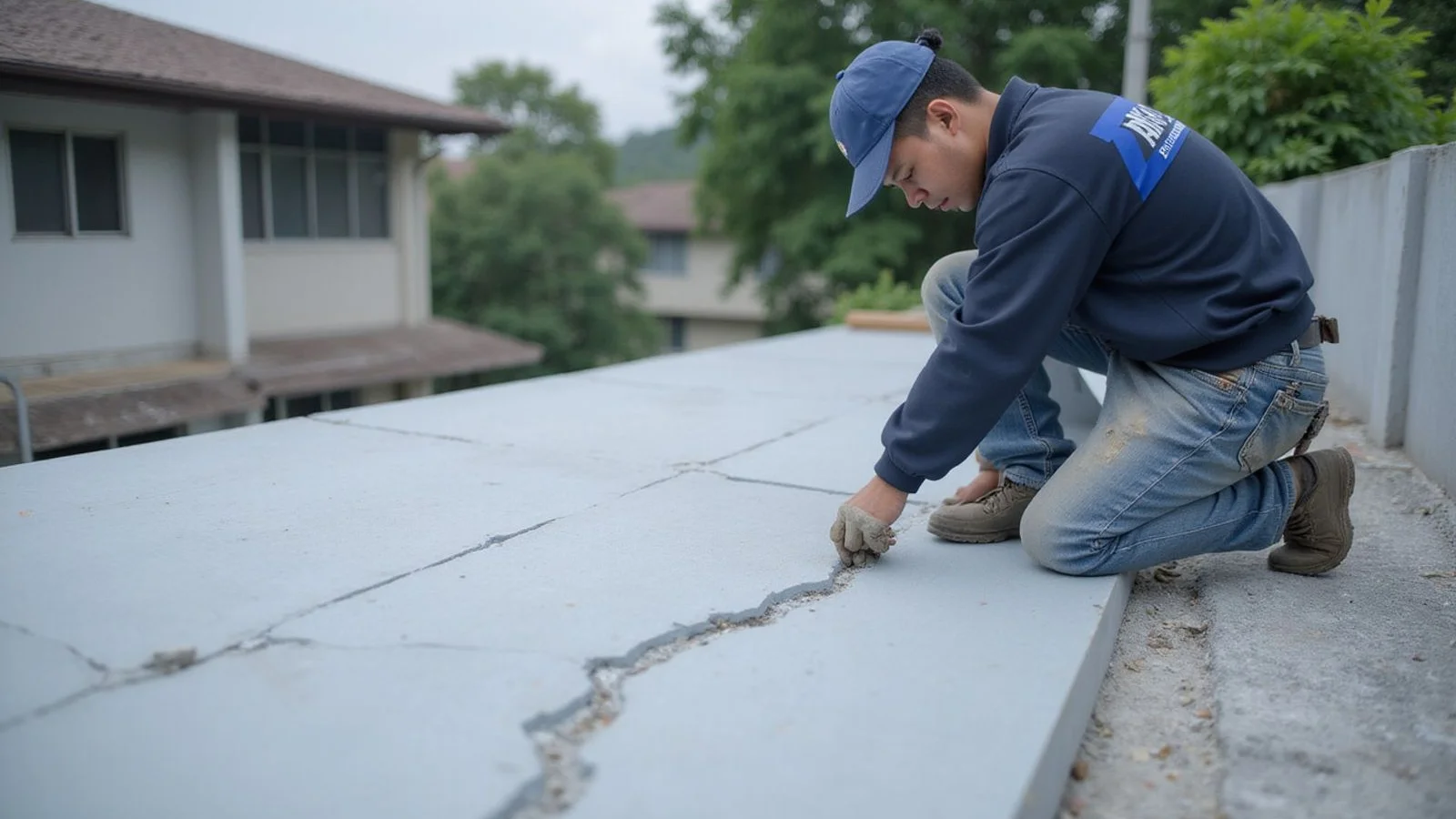
We hear the exact same question every time a Puchong property manager spots a yellow water stain on their ceiling.
The natural first reaction is always to ask if a quick patch will solve the problem. Honestly, that quick fix is sometimes perfectly fine.
Our experience shows that other times, a spot repair merely delays inevitable structural damage. Let’s look at the data, what it actually tells us, and explore the core differences in the patch leak vs waterproofing debate.
When A Patch Is Genuinely Enough
Deciding between a spot repair vs full waterproofing starts with assessing the damage. A spot repair is genuinely enough when the damage is strictly isolated to a single, mechanical failure.
We often use PU Injection, or Polyurethane grouting, for these specific scenarios. This method involves drilling small ports and injecting a liquid resin directly into the concrete crack.
The resin reacts with trapped moisture and expands up to 30 times its original volume. Our technicians rely on this expanding foam to form a dense, waterproof barrier. A proper repair like this holds for the remaining lifespan of the existing membrane.
A spot repair holds when:
- The damage is clearly isolated: one crack, one defect, or one failed seam.
- The surrounding waterproofing is in sound condition with no other failing areas visible.
- The structure is relatively young, meaning the membrane has not reached its ten-year limit.
- The leak is a first-time occurrence, not a recurring problem.
- The cause is mechanical, like impact or drilling damage, rather than natural wear.
When Patching Is False Economy
You might wonder if is waterproofing worth it when looking at the initial quote. The answer is yes, because patching is a false economy when the visible leak is merely one symptom of widespread membrane failure.
We see this pattern frequently during the heavy Malaysian monsoon season. Homeowners often pay RM200 to RM500 for a quick PU injection, only to have a new leak appear a metre away.
This frustrating cycle continues because the underlying substrate has settled or developed multiple hidden cracks. Our team has visited properties where clients patched the same balcony four times before accepting the reality. A spot fix will simply shift the water pressure to the next weakest point.
A patch will fail, and the leak will return, when:
- The patch covers one symptom of a wider, systemic failure.
- The membrane has reached the end of its 10 to 15-year lifespan.
- You have patched before in the exact same area or nearby.
- The substrate underneath has structural issues, like settling or multiple cracks.
- Water has been getting in long enough to create multiple hidden paths.
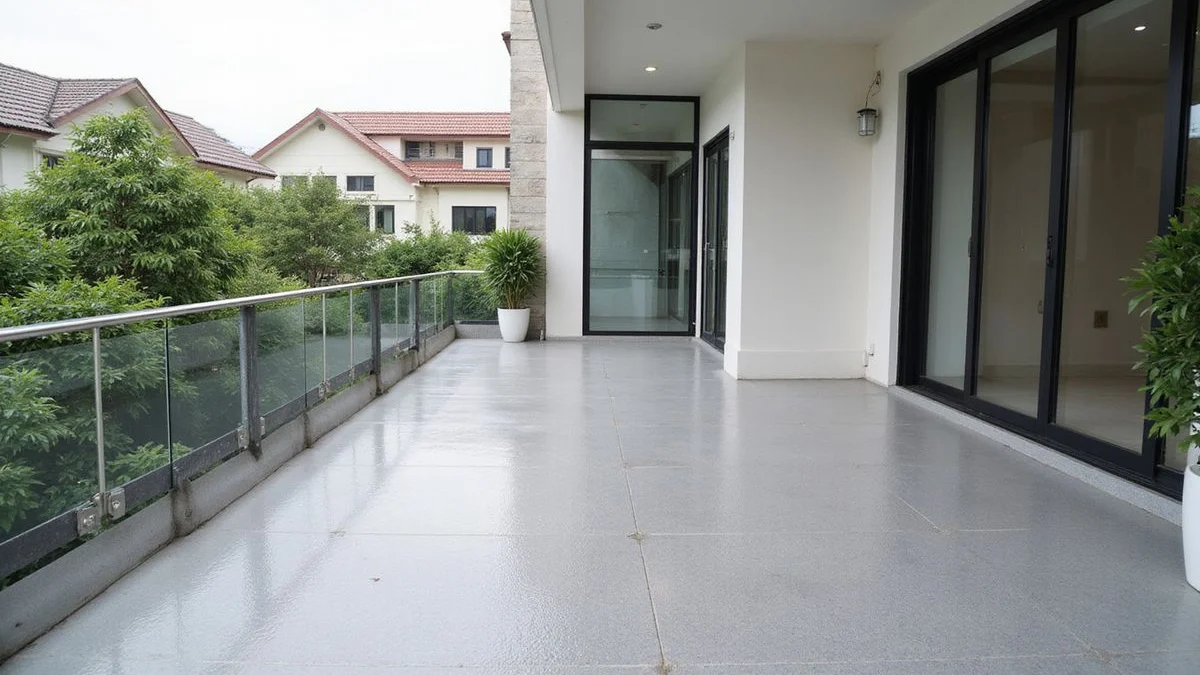
How to Tell Which Yours Is
You can determine the right approach among various roof leak fix options by evaluating visible damage, the age of the structure, and your repair history. Identifying these key indicators prevents wasted money on ineffective treatments.
We use a specific checklist during our site inspections across the Klang Valley.
Visible Indicators
Our inspectors look for very specific physical signs before making a recommendation. Efflorescence, which looks like a white powdery stain on your ceiling, indicates water has been dissolving minerals in the concrete for a long time. This usually points to a total membrane failure.
- One clear crack with a sound surrounding surface: A patch is likely sufficient.
- Multiple small cracks across a wider area: Full waterproofing is required.
- Hollow-sounding tiles when tapped: The membrane has failed underneath, trapping water in the screed, requiring a full job.
- Old paint or coating flaking off: The surface has reached its end-of-life limit, making a full job necessary.
- Stains appearing in multiple places below: Water is travelling along multiple paths, indicating a full job.
Age Indicators
Waterproofing materials simply do not last forever in a harsh tropical climate. The constant cycle of intense sun and heavy rain degrades even the best materials.
We find that standard waterproofing is rarely in good condition past ten years. Torch-on modified bitumen or liquid polyurethane coatings typically expire between the 10 and 15-year mark.
Original-build waterproofing on a 20-year-old Puchong landed home, like those in Bandar Kinrara, is usually fully spent regardless of what you can see.
History Indicators
We strongly advise clients to review their recent maintenance logs. If this is the first leak in years on a previously solid balcony, a patch is likely fine.
If this is the second or third leak in the same balcony in recent years, a full job is the only logical next step.
Cost Comparison
Patches offer a cheaper immediate fix, while full waterproofing requires a higher initial investment that provides long-term security. The right financial choice depends entirely on how often the leak recurs.
We compiled a rough comparison based on current rates for a typical Puchong terrace house. A single spot repair might seem appealing, but the cumulative cost of repeated fixes quickly adds up.
If you find yourself paying for repairs every monsoon season, a comprehensive overhaul pays for itself within three years.
| Solution Type | Estimated Cost | Expected Lifespan | Best Application |
|---|---|---|---|
| Spot PU Injection | RM200 to RM500 | 1 to 3 years | Isolated, single cracks |
| Full Waterproofing | RM3,500 to RM8,000+ | 10 to 15 years | Multiple leaks, aged membrane |
The Process Difference
A patch targets a specific weak point in a matter of hours, whereas full waterproofing involves completely resurfacing the area over several days. The scope of work dictates the timeline and the level of disruption.
We documented the exact steps for how waterproofing is done in our detailed breakdown. The key difference lies in the scale of surface preparation.
- A patch: Technicians simply clean the single failure spot, fill the crack, and apply a local sealant.
- Full waterproofing: This comprehensive method involves repairing all defects, applying a primer, laying a continuous membrane, curing the materials, and finishing the surface.
The full job typically takes two to five days depending on the size of the deck. A spot patch usually concludes in under three hours.
Our Honest Recommendation
We always prefer to recommend a simple patch if it genuinely solves your problem. Selling an unnecessary full replacement serves no one in the long run. If your situation truly involves a one-off crack with sound surrounding material, a local fix is the right call.
Our team will happily apply that patch and leave you with a dry home. A balcony with multiple stress cracks, hollow tiles, and a 15-year-old membrane requires serious intervention.
Telling a homeowner to simply patch the visible crack in that scenario is terrible advice. We know the next leak will appear within three months, leading to another frustrating service call. For an honest, data-driven roof and waterproofing assessment anywhere in Puchong, just WhatsApp us to schedule a visit.
Related Service
Roof Leak & Waterproofing
We trace and repair roof and ceiling leaks and apply balcony and slab waterproofing to stop water infiltration.
Learn About This Service