
How Roof and Balcony Waterproofing Is Done
From surface prep to membrane and curing, see how proper roof and balcony waterproofing is done — and why it stops leaks coming back.
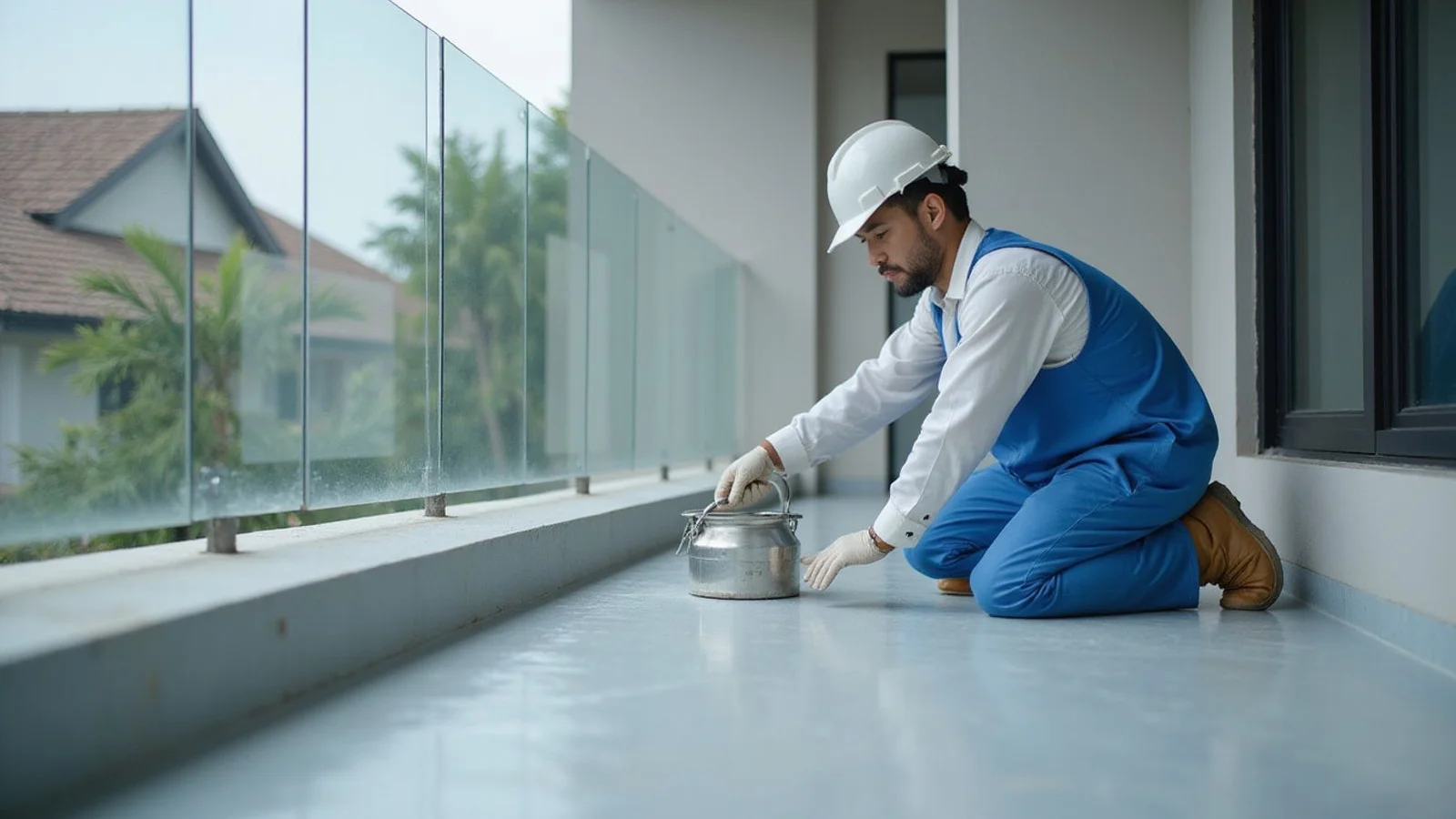
We often see property managers frustrated by leaks that return right after a heavy Puchong thunderstorm.
A quick coat of sealant might look like a fix, but it rarely holds up. Our team knows that a reliable waterproofing job requires thorough preparation.
Understanding how waterproofing works is the only way to ensure a membrane actually bonds and protects your property long-term. We will break down the specific steps of this waterproofing process and highlight where most contractors make critical mistakes.
The details below provide a clear roadmap of what to expect from a professional application.
The Steps
1. Identify and Repair the Source
We always identify and address the structural source of the leak before touching any sealants. Kuala Lumpur City Hall recently reported over 1,200 water leakage complaints in a single year, and many stem from ignoring root causes.
Our technicians use specific tools like a Tramex Dec Scanner or a FLIR thermal camera to pinpoint trapped moisture. Waterproofing covers and protects, but it cannot repair underlying damage on its own.
- Crack in the slab? Repair it first.
- Failed flashing? Replace it entirely.
- Pipe penetration leak? Re-seal the exact joint.
- Drain clogged or undersized? Sort that out before proceeding.
2. Clean the Surface
We bring the surface down to sound concrete or screed to ensure proper adhesion. Most waterproofing failures originate right here in the cleaning phase.
Our preparation involves high-pressure washing at 2,000 PSI to remove all loose paint, old coatings, and failed membranes. A new membrane laid over a flaking old one will simply bond to the failing layer and detach within months.
- Scrub off algae, moss, dirt, and oil.
- Sweep and wash the area with clean water.
- Allow the concrete to dry fully before adding primer.
- Verify moisture levels with a digital meter.
3. Repair Surface Defects
We fill hairline cracks, small holes, and surface irregularities with an appropriate repair compound. Malaysian weather causes flat roofs to expand in 45-degree Celsius heat and contract at night, making flexible repairs critical.
Our standard practice is to use specific non-shrink grouts, such as SikaGrout 215 or Pentens T-805, for structural gaps. These compounds expand slightly during curing to completely fill the void and prevent future water ingress.
| Defect Type | Repair Method | Material Used |
|---|---|---|
| Hairline cracks | Chase out slightly and fill | PU sealant |
| Larger cracks | V-cut with mesh reinforcement | Non-shrink grout (e.g., SikaGrout 215) |
| Hollow spots | Sounded with a hammer, broken out | Fresh screed |
| Penetrations | Re-flashed with proper detail | Flexible fillet bands |
4. Apply Primer
We apply a specific primer to ensure the waterproofing membrane bonds chemically to the substrate. The correct primer choice depends entirely on the type of membrane being installed.
Our crews always apply primer to a completely clean, dry surface and allow it to flash off properly. Rushing this step in Malaysia’s high humidity often leads to trapped condensation and blistering.
- PU primer for PU coatings.
- Cement-based primer or slurry for cementitious membranes.
- Self-adhesive sheet primer for bituminous sheet membranes.
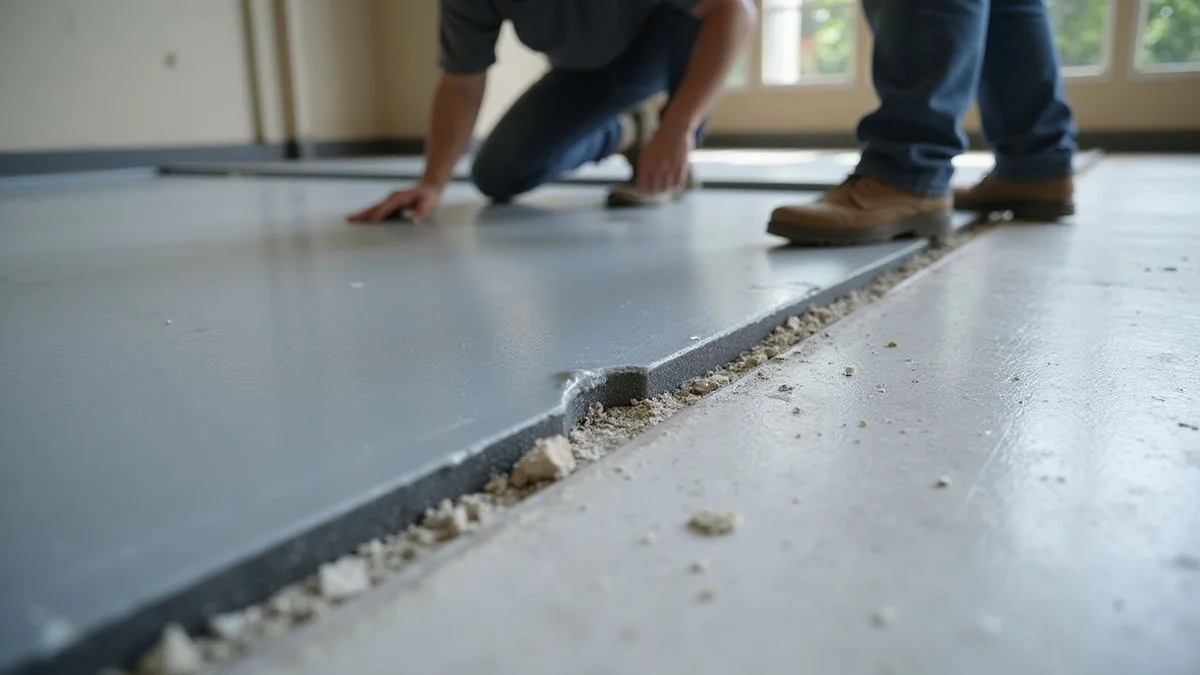
5. Apply the Membrane
We apply the actual waterproof layer once the primer cures completely. The right material depends on the surface traffic, UV exposure, and structural movement expected.
Polyurethane (PU) Coating
Our preferred liquid-applied coating is brushed or rolled in two or more layers. This material is flexible, forgiving of small substrate movement, and excellent for balcony waterproofing.
Cement-Based Membrane
We use a two-part cementitious system applied as a thick coat for wet areas like bathrooms before tiling. Products like SikaTop Seal-107 provide a rigid but highly durable barrier against continuous moisture.
Bituminous Sheet Membrane
Our large flat roof projects often utilize self-adhesive or torch-applied sheets. This option requires careful detailing at edges and penetrations to prevent water from slipping underneath.
We default to PU coating for most Puchong residential balconies because it is well-suited to local conditions.
6. Reinforce Detail Areas
Corners, drain perimeters, and pipe penetrations require extra attention because they are the weak points in any system.
Our technicians reinforce these exact areas with fiberglass mesh or specialized fillet bands. Movement naturally concentrates at these joints, making reinforcement critical to prevent cracking.
7. Curing
We schedule weather windows carefully because the membrane needs adequate time to cure. Malaysia’s frequent afternoon rainstorms can wash away a fresh coating if it is not protected properly.
Our team briefs you on exactly what to avoid during this critical drying phase.
- PU coatings: require 24 to 48 hours before light traffic, and longer before heavy water exposure.
- Cement-based: need 3 to 7 days before facing standing water.
- Bituminous sheet: usable shortly after installation, but full bond strength takes 24 to 48 hours.
8. Ponding Test
We conduct a thorough ponding test on balconies and flat slabs to confirm the waterproofing holds. Following the ASTM D5957 standard, this test involves filling the area with shallow water for 24 to 48 hours.
Our supervisors verify the test results personally before signing off on any job.
- Check for moisture on the ceiling directly below the test area.
- Measure the water level drop against standard evaporation rates.
- Inspect drain perimeters for any slow seepage.
This final check provides absolute peace of mind before any finishing layers go down.
9. Finishing
We reinstall the finished surfaces, such as tiles or screed, directly over the cured membrane. High UV indexes in Malaysia will quickly degrade exposed PU if it is left unprotected.
Our final step for exposed roofs is applying a UV-protective top coat to shield the polyurethane from direct sunlight. This simple addition can extend the lifespan of the treatment by several years.
What You Should Get From a Waterproofing Job
We provide every client with a written breakdown of what was prepared, applied, and tested. A professional service should always leave you with clear expectations and verifiable results.
- A clear description of what to avoid during curing, such as heavy loads or immediate water exposure.
- A reasonable expectation of lifespan, typically 5 to 10 years depending on the application.
- Confidence that the underlying structural source was addressed, not just covered up.
Our goal is to ensure your building remains dry and protected against the harshest weather. If you are unsure how much work your situation needs, read patching a leak vs full waterproofing to weigh the options. For waterproofing service across Puchong, WhatsApp us for a complete inspection and accurate estimate.
Related Service
Roof Leak & Waterproofing
We trace and repair roof and ceiling leaks and apply balcony and slab waterproofing to stop water infiltration.
Learn About This Service