
Why Is My Toilet Running or Not Flushing Properly?
A running or weak-flushing toilet usually traces to the cistern, inlet valve, or flapper. Learn the faults, quick checks, and when to call a plumber.
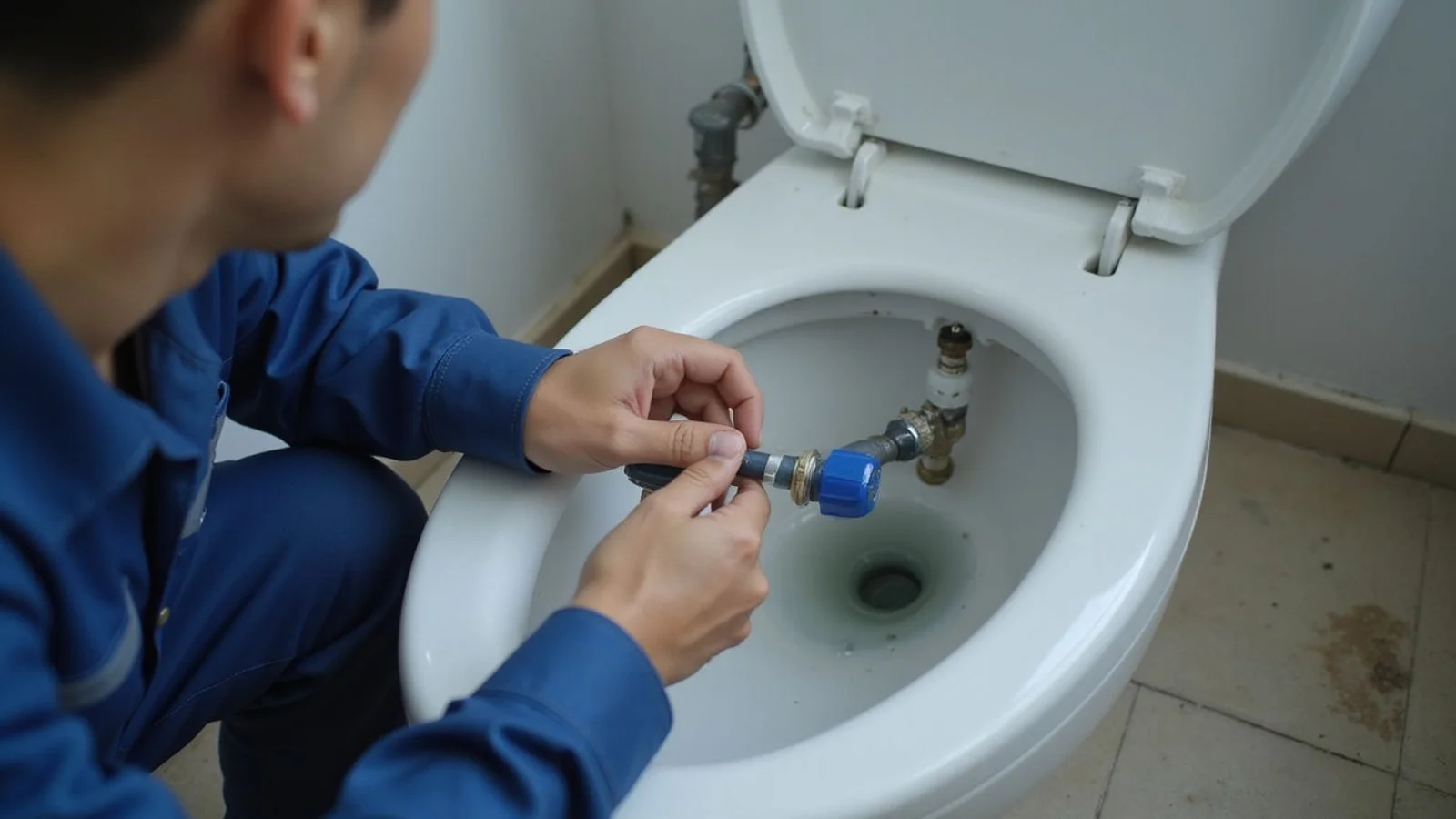
We hear it all the time from property managers in Puchong: a toilet keeps running quietly in the background, or a toilet not flushing properly creates daily tenant complaints.
These plumbing issues seem minor, but they quietly inflate water bills and cause major headaches for tenants. A constantly trickling cistern can waste hundreds of litres of water every week. Most of the time, the culprit is just a worn-out component sitting inside the tank.
Let’s look at the specific parts that typically fail and exactly how to fix them.
The Parts That Usually Fail
The core of your flushing system relies on four simple mechanisms working together. Lifting the lid off your cistern reveals these standard components.
- Inlet valve (or fill valve): This part connects directly to your water supply pipe.
- Flapper or dual-flush valve: Located at the bottom, this releases water into the bowl when you press the button.
- Float assembly: Modern fittings use a cup float, while older units use a ball float, to signal the inlet valve to close.
- Flush lever or push button: This exterior control links directly to your internal flapper.
We find that almost all flushing failures trace back to a defect in one of these four areas. Most fixes require basic tools and a few replacement parts.
The Running Toilet: Most Common Causes
1. Worn Flapper / Outlet Seal
A worn flapper is the most frequent reason a toilet keeps running. This rubber disc seals the outlet at the bottom of the cistern.
When you flush, the flapper lifts to release water and then settles back down to create a tight seal. Over time, the rubber hardens, warps, or accumulates limescale from the local water supply. This degradation breaks the seal.
Water then seeps slowly past the flapper into the bowl, dropping the cistern level. The inlet valve activates to refill the tank, creating an endless, quiet cycle of wasted water.
Fix: Swap out the old flapper for a new silicone model. According to local hardware pricing, these parts typically cost between RM15 and RM30 in Malaysia and last longer than basic rubber versions.
2. Failed Inlet Valve
A failed inlet valve allows water to continuously flow into the tank even after it reaches the full line. This valve should shut off completely once the float rises to the designated level.
Wear and tear on the valve seat, or sediment stuck in the mechanism, prevents a clean closure. The excess water simply overflows into the internal overflow pipe and drains into the bowl.
Fix: Replace the entire inlet valve assembly. Our team regularly replaces these with original fittings from brands like Johnson Suisse, Roca, and Toto, which typically cost between RM68 and RM98 for the replacement part.
3. Float Misset or Stuck
The float controls exactly when your inlet valve stops the water supply. If this component is set too high, the water level surpasses the overflow pipe before the valve can close.
Sometimes the float arm gets physically stuck against the side of the ceramic tank. This prevents it from rising at all, leaving the water running continuously.
Fix: Adjust the float downward using the adjustment screw, or replace the entire assembly if the plastic is cracked.
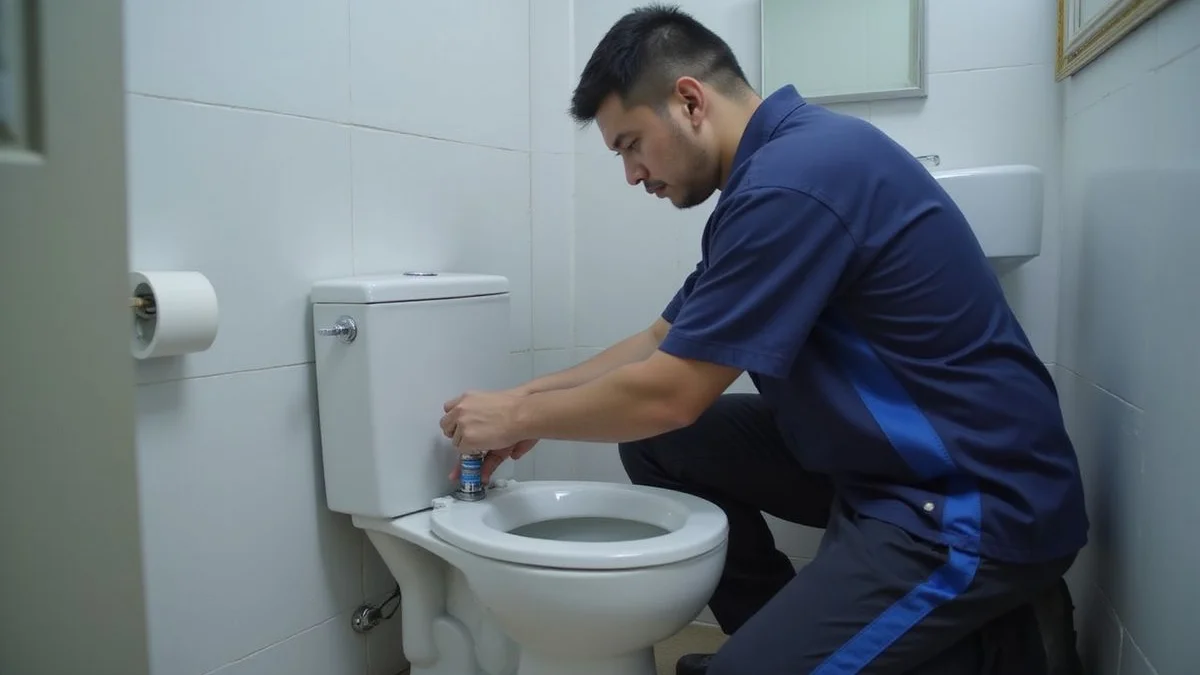
The Weak Flush: Most Common Causes
1. Cistern Water Level Too Low
A weak toilet flush usually happens because there simply is not enough water stored in the tank. If your float is set too low, the cistern stops filling prematurely.
Less water means less gravitational push to clear the bowl effectively. High-rise apartments in Puchong often experience pressure fluctuations, making a full tank even more critical for a strong flush.
Fix: Turn the float adjustment screw to raise the resting water level until it hits the manufacturer marked line inside the tank.
2. Partial Blockage in the Bowl or Trap
Obstructions trapped in the curved pipe beneath the bowl will drastically reduce your flushing power. We frequently pull wet wipes and sanitary products out of high-rise apartment drainage systems.
These items catch on the bends of the internal trap and build up over time. The water flow slows down, resulting in a sluggish, ineffective flush.
Fix: Clear the immediate blockage using a heavy-duty closet auger.
3. Faulty Siphon / Flush Mechanism
Older British-style toilets use a siphon mechanism instead of a modern flapper. Inside this unit, a plastic diaphragm lifts the water to start the siphoning action.
A torn or split diaphragm completely destroys the siphon effect. You will press the lever, but very little water will actually make it into the bowl.
Fix: Replace the internal diaphragm membrane or install a completely new siphon unit.
4. Mineral Buildup in Bowl Rim Holes
Hard water deposits can clog the small jet holes located under the rim of your toilet bowl. These holes distribute the water evenly to create a powerful, swirling vortex.
When limescale blocks these jets, the water trickles down the sides instead of rushing out with force. This severely weakens the flush performance.
Fix: Apply a commercial acidic descaling cleaner directly into the overflow tube and scrub the rim jets with a stiff wire brush.
Quick Diagnostic Checks
You can perform a few simple tests to pinpoint the exact issue before buying replacement parts. Here is a quick reference guide for diagnosing common toilet cistern problems.
| Diagnostic Test | What You Are Looking For | Likely Culprit |
|---|---|---|
| Food Colouring Test | Dye leaking into the bowl without flushing | Worn flapper seal |
| Listen at Night | Faint hissing or trickling sound | Failed inlet valve |
| Watch the Cistern | Water runs into overflow tube after filling | Float misset or stuck |
Food Colouring Test
The food colouring test is the most accurate way to confirm a silent flapper leak. Follow these simple steps:
- Remove the toilet cistern lid carefully.
- Drop five drops of blue or green food dye into the water.
- Wait for 20 minutes without touching the flush handle.
If you see coloured water appearing in the lower bowl, your flapper seal has failed and needs replacing.
Listen at Night
A constantly running toilet often goes unnoticed during the day due to background noise. When the house is quiet at night, listen closely near the bathroom door.
A faint hissing or trickling sound confirms that your inlet valve is continuously running water into the tank.
Watch the Cistern
You can diagnose many problems simply by observing a full flush cycle with the lid off. The cistern should empty, refill steadily, and then stop completely with a definitive click.
Any continuous trickling sound after the tank appears full indicates that the inlet valve is failing to shut down.
When to Call a Plumber
Sometimes a toilet cistern problem requires professional intervention to prevent water damage. You should contact an expert if your DIY attempts do not resolve the issue.
We recommend professional help for the following situations:
- DIY part replacements fail to stop the leaking or weak flush.
- The ceramic cistern tank shows visible hairline cracks, which can suddenly split.
- A concealed dual-flush system requires a complex mechanism swap.
- The fixture is outdated and parts are obsolete, making replacement more economical, as explained in our repair vs replace guide.
Based on standard Klang Valley rates, most professional toilet repairs cost between RM80 and RM250 depending on the required parts. For all toilet repairs and replacements in Puchong, see our sanitary service page to schedule a fast assessment.
Related Service
Sanitary Installation & Maintenance
We install and repair toilets, sinks, taps, water heaters, and drainage fittings across Puchong homes.
Learn About This Service