
How Often Should You Clean Your Water Storage Tank?
Most Malaysian homes should clean their storage tank every 6 to 12 months. Learn the signs it's overdue and what cleaning involves.
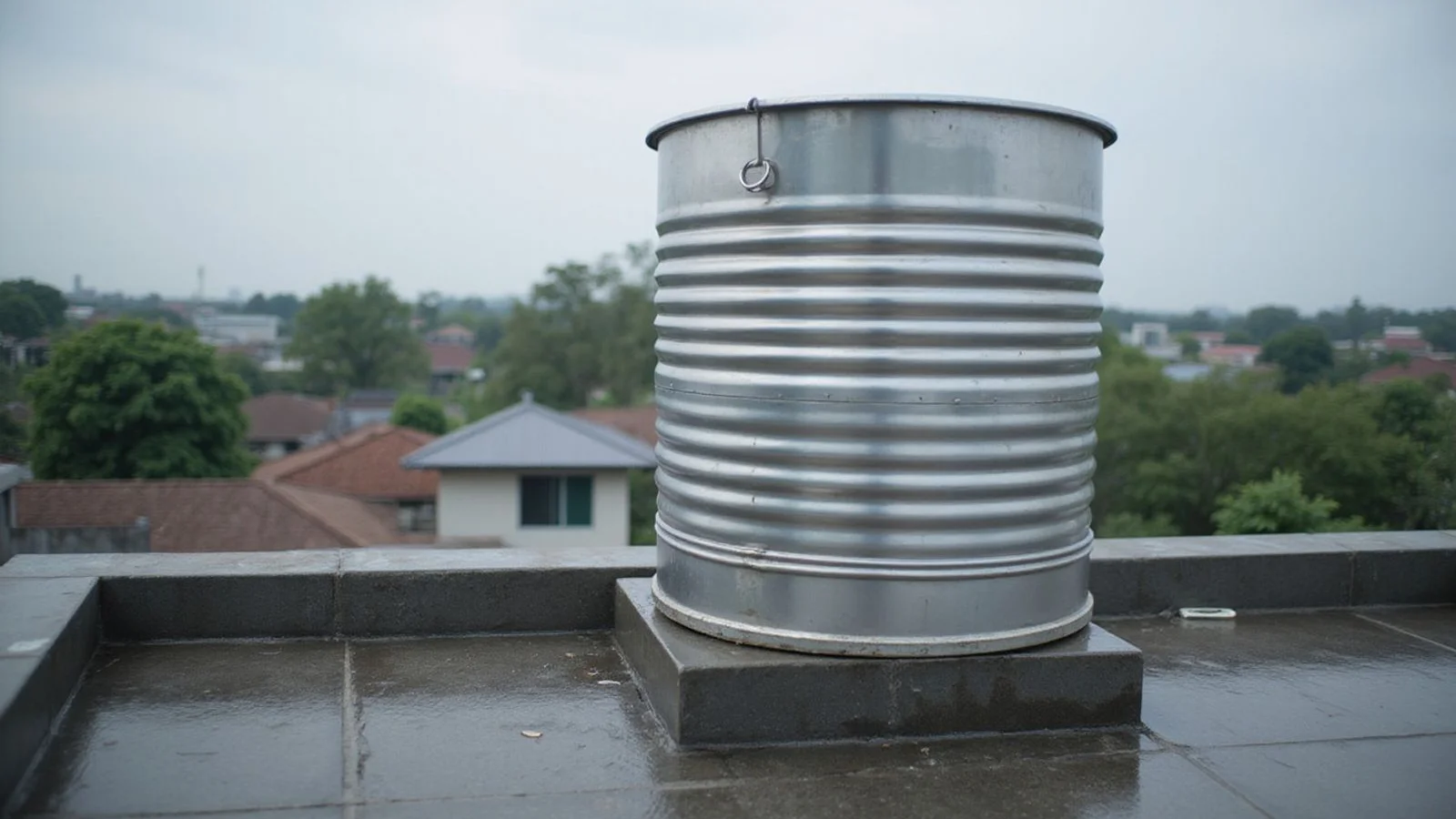
You probably know how easy it is to ignore the plumbing fixtures you cannot see.
Many homeowners and strata property managers in Puchong only think about their water storage tanks when the taps start running brown. We receive calls every week from panicked residents dealing with discoloured, bad-tasting water.
The underlying issue usually comes down to years of neglected sediment buildup. Clients constantly ask us how often clean water tank systems require professional attention. Let’s examine the recommended tank maintenance schedule, the signs of a contaminated supply, and the exact steps required to fix the problem.
The General Recommendation: How Often Clean Water Tank Maintenance Is Needed
We recommend cleaning your residential storage water tank every 6 to 12 months. Suruhanjaya Perkhidmatan Air Negara (SPAN) and the Ministry of Health advise an annual inspection at the absolute minimum to maintain water safety in Malaysia. This baseline water tank cleaning frequency needs adjusting based on your specific household conditions.
Here is a practical breakdown to help you schedule your maintenance:
- 6 months: Homes with infants, elderly residents, or high daily usage.
- 9 months: Standard residential properties with typical water turnover.
- 12 months: Small households with modern stainless steel units and lower consumption.
We suggest booking your first clean immediately if you inherited an old tank and have no maintenance records. Scheduling another inspection six months later provides a clear picture of how quickly sediment accumulates in your specific system.
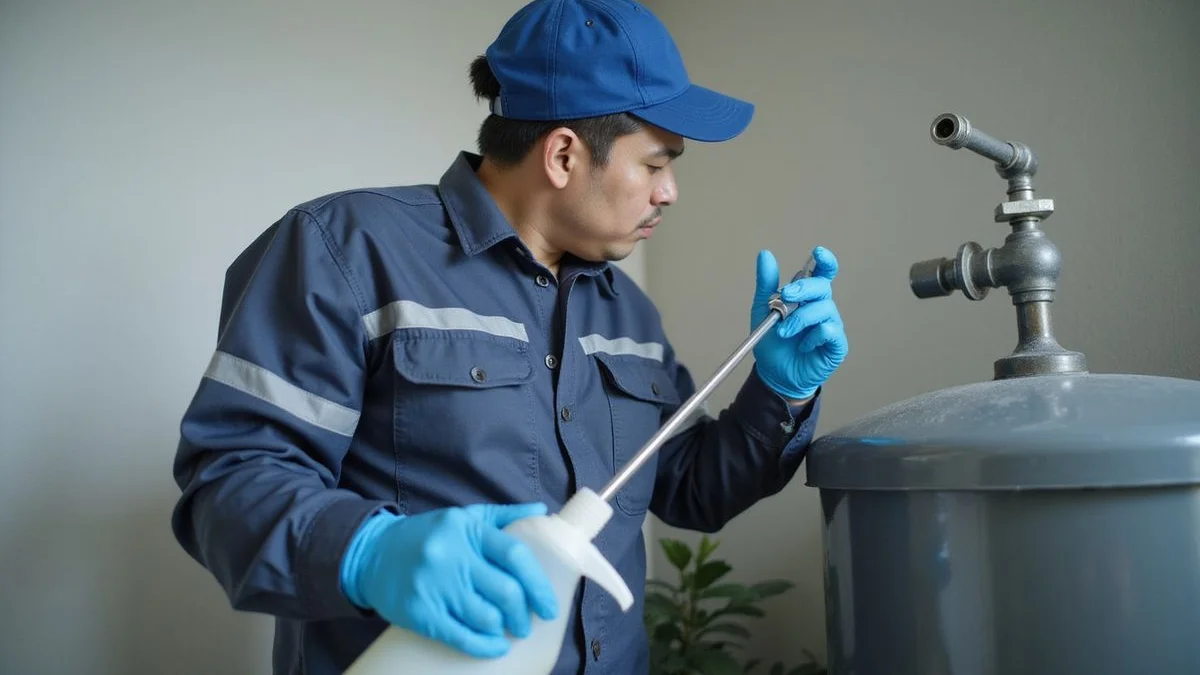
Signs the Tank Is Overdue
Your water supply will often show clear physical changes when the storage unit requires immediate cleaning. A musty, wet-earth smell or a sudden rotten egg odour indicates a serious bacterial issue. These foul smells occur when sulphate-reducing bacteria thrive in the settled sediment.
You should arrange an emergency clean if you observe any of the following warning signs:
- Discoloured tap water: Yellow, brown, or generally cloudy appearance.
- Visible sediment: Particles settling at the bottom of a drinking glass.
- Laundry stains: White fabrics turning yellow or grey in the washing machine.
- Strange tastes: A harsh metallic or earthy flavour in your drinking water.
- Internal debris: A thick layer of sludge visible on the tank floor.
We treat any of these symptoms as a clear mandate for immediate servicing, regardless of your normal maintenance calendar. Ignoring these indicators allows harmful microorganisms to multiply rapidly.
Why Regular Cleaning Matters
Removing sediment and biofilm protects your health and extends the lifespan of your entire plumbing system. The warm Malaysian climate creates the perfect environment for dangerous pathogens like Legionella pneumophila and E. coli to thrive inside unmaintained storage units. We regularly see how a neglected tank compromises water quality and damages expensive hardware.
A consistent cleaning schedule directly protects several critical components:
- Tank structure: Removing sludge prevents rapid corrosion in older steel units.
- Internal valves: Keeping sediment away from the float valve stops mechanical jamming.
- Downstream appliances: Sending clean water to your washing machine and water heater prevents internal scaling.
- Distribution lines: Eliminating dirt at the source stops blockages in your household pipes.
Strata property managers must pay special attention to this maintenance task. A weakened, corroded structure can burst, causing catastrophic inter-floor leakage and tens of thousands of ringgit in water damage. We help apartment management committees avoid these massive liabilities through routine inspections.
What Affects Frequency
Several environmental and mechanical factors dictate how quickly your water storage unit becomes dirty. Local water quality, the materials used in construction, and your daily consumption habits all play a role. We evaluate these four main categories during every site visit.
Tank Material
The material of your storage unit significantly impacts the rate of algae and bacterial growth. We recommend different inspection intervals based on the exact type of hardware installed on your property. If you are weighing an upgrade, compare stainless steel vs poly water tanks before you decide.
| Tank Material | Vulnerability | Typical Cleaning Interval |
|---|---|---|
| Stainless Steel | Resists algae well but can suffer from scale buildup. | 9 to 12 months |
| Polyethylene (Poly) | Prone to algae growth if exposed to direct sunlight. | 6 to 9 months |
| Older Coated Steel | High risk of rust and flaking as internal coatings degrade. | 6 months |
Household Usage
Your daily water turnover rate directly influences sediment accumulation. High-usage households constantly flush the system, giving sand and dirt less time to settle on the floor.
We find that low-usage properties actually face higher risks of stagnation and biofilm development. A vacant property or a home with minimal water consumption requires more frequent manual flushing.
Tank Location
Where your unit sits on the property changes its internal temperature and exposure to sunlight. Rooftop tanks baking in the direct Malaysian sun reach high temperatures that encourage rapid bacterial multiplication.
We always see cleaner water in shaded or indoor units because the lack of sunlight prevents algae photosynthesis. Consider these environmental factors when evaluating your setup:
- Direct sunlight exposure: Accelerates algae and green slime.
- Ambient heat: Warmer water breeds bacteria faster.
- Overhanging trees: Increases the risk of organic debris entering unsecured lids.
You will need to clean an exposed outdoor unit much more often than a protected indoor one.
Supply Water Quality
The condition of the municipal supply pipes feeding your neighbourhood dictates the amount of incoming sediment. Older areas often push higher volumes of rust and dirt through the mains during heavy usage periods.
We notice that properties located near active construction zones or frequent pipe repair works experience sudden spikes in muddy water. You must adapt your cleaning schedule to handle these local infrastructural challenges.
What a Proper Clean Includes
A professional cleaning service involves a complete system drain, physical scrubbing, and chemical disinfection. Many cheap contractors offer a fast 30-minute rinse, but a genuine deep clean takes at least half a day to execute properly. A strict protocol is necessary to ensure your water supply meets safety standards.
The comprehensive maintenance process covers these essential steps:
- Full drain-down: Emptying the unit to expose all internal surfaces.
- Physical sediment removal: Extracting heavy sludge and debris from the floor.
- Wall scrubbing: Removing the slimy biofilm layer from the sides.
- Float valve service: Inspecting and replacing the brass ballcock or Torbeck valve if damaged.
- Chlorination: Applying a SPAN-approved concentration of chlorine with adequate contact time.
- System flushing: Running every tap in the house to clear the distribution lines.
- Refill and check: Ensuring the freshly cleaned system operates without leaks.
We always inspect the float valve during this process. Replacing a worn brass valve costs around RM15 to RM40 in parts, which saves you from paying over RM160 for an emergency plumber when the system inevitably overflows later. Taking care of these small mechanical issues during a scheduled clean is the smartest approach.
Recording It
You must document the exact date of your maintenance service immediately after the job finishes. A simple note on your phone or a physical label attached to the unit prevents you from losing track of the schedule. We often meet clients who think their last service was a year ago, only to realise it has actually been three years.
Maintaining a clean water supply is an ongoing responsibility. Knowing when to clean water tank setups and how often clean water tank services are required keeps your property safe. For professional tank cleaning in Puchong, simply WhatsApp us to schedule an inspection. We are ready to help you secure a safe and reliable water system.
Related Service
Water Tank Cleaning & Replacement
We clean, disinfect, repair, and replace home water tanks in Puchong, including poly and stainless steel options.
Learn About This Service