
seasonal
Before the Monsoon: A Puchong Homeowner's Roof Leak Checklist
2 June 2026 · Guan Huat Plumbing Team
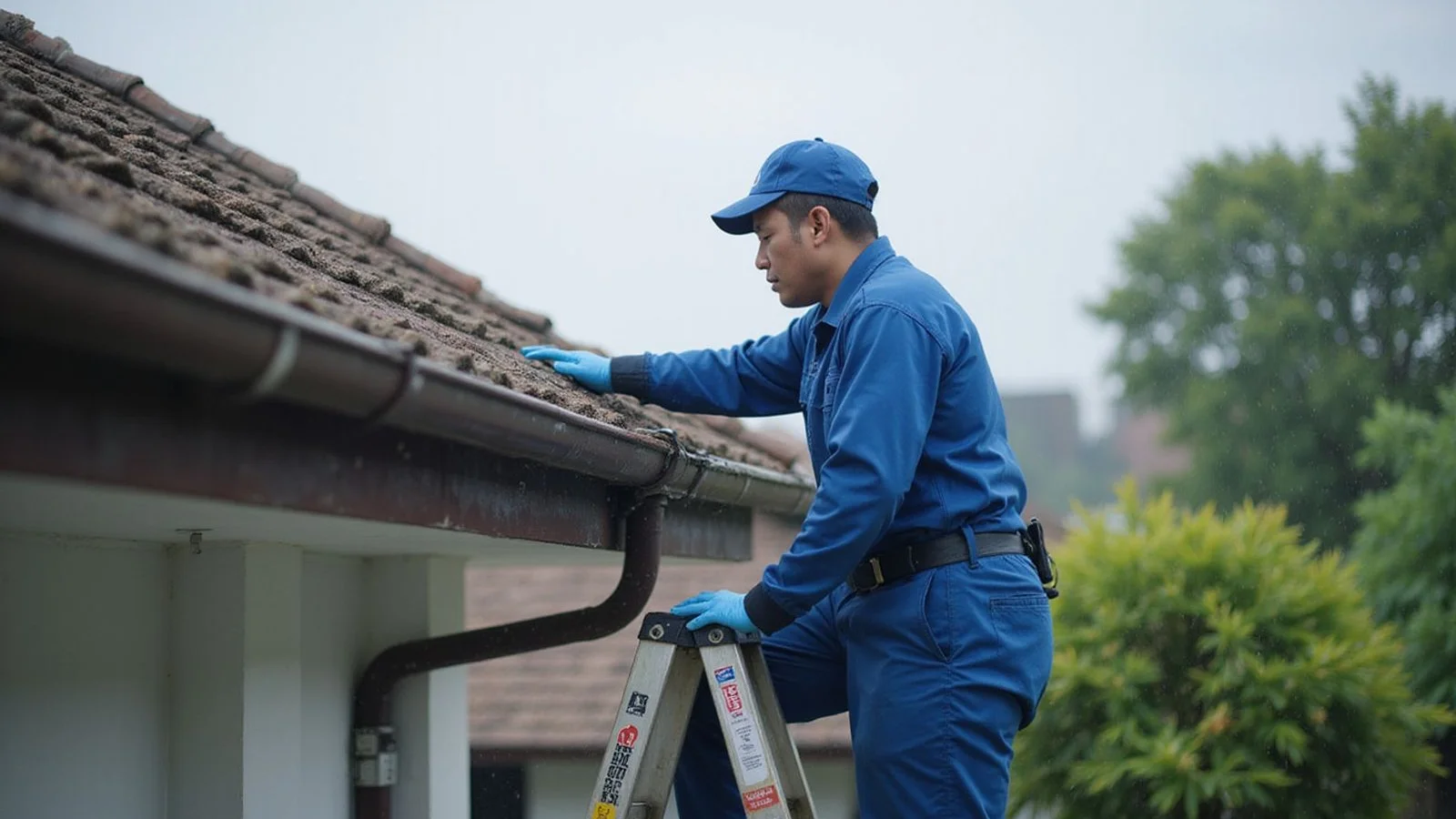
The first heavy downpour of the Selangor monsoon is never gentle. It finds every loose tile, failed flashing, cracked balcony slab, and worn waterproofing membrane in your home — and once it’s inside, the damage compounds quickly.
We get the most atap bocor calls in the two weeks after the season starts in earnest, when slow leaks finally hit their breaking point. But almost every one of those leaks could have been caught — and fixed cheaply — with a 15-minute check before the rain arrived.
Here’s the checklist we’d want every Puchong homeowner to run before the next downpour.
1. Walk Around the Outside
Look up at the roof from the street and from inside the compound. You’re checking for:
- Cracked, shifted, or missing tiles. Even one shifted tile lets enough water in to soak insulation and ceiling boards over a season.
- Sagging gutters or downpipes. Overflowing gutters dump water against fascia boards and walls instead of away from the building.
- Plant growth on the roof. Moss and small plants between tiles mean retained moisture and ventilated points of entry.
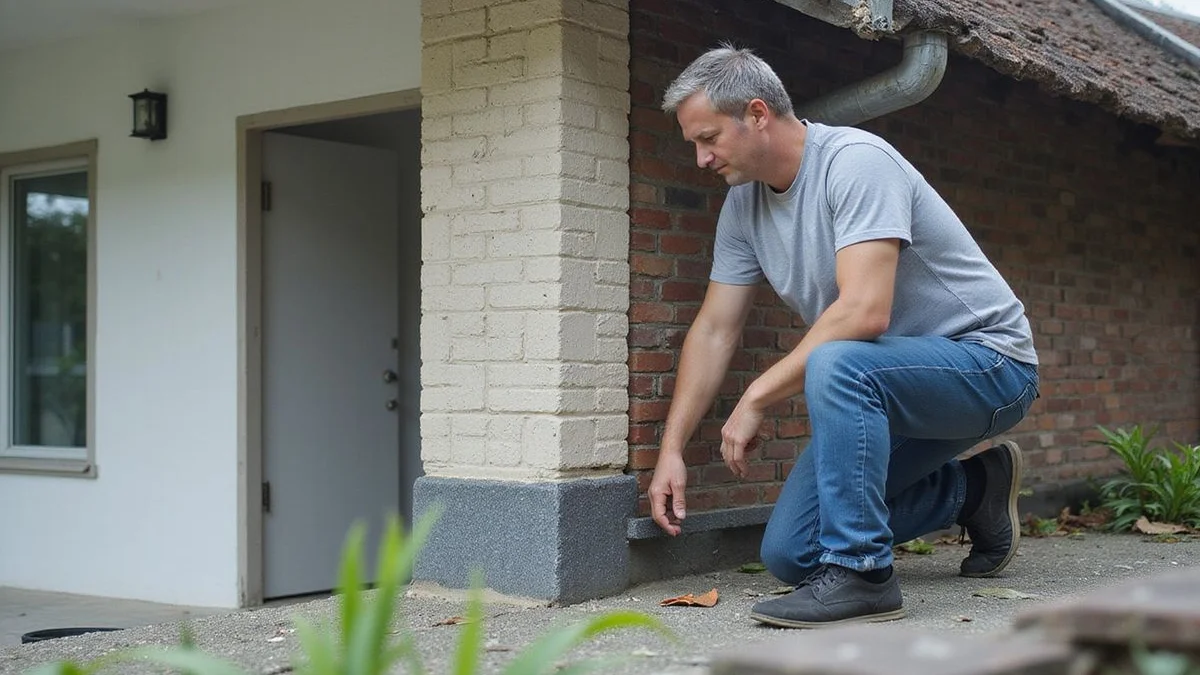
- Stains on external walls below the roofline. Old leak paths often show as discolouration on the wall.
2. Check the Ceilings Indoors
In daylight, walk through every room and inspect:
- Master bedroom ceiling — typically has the longest path from roof entry to visible drip, so leaks here often go unnoticed.
- Top-floor bathrooms and shower areas — wet-area waterproofing failures show as stains in the room below.
- Stairwells — the underside of a balcony or upper-floor floor often shows monsoon leaks first.
- Any patch of ceiling that “feels different” — a slight discolouration or texture change is often an old, dry leak that’ll reactivate.
3. Inspect Balconies
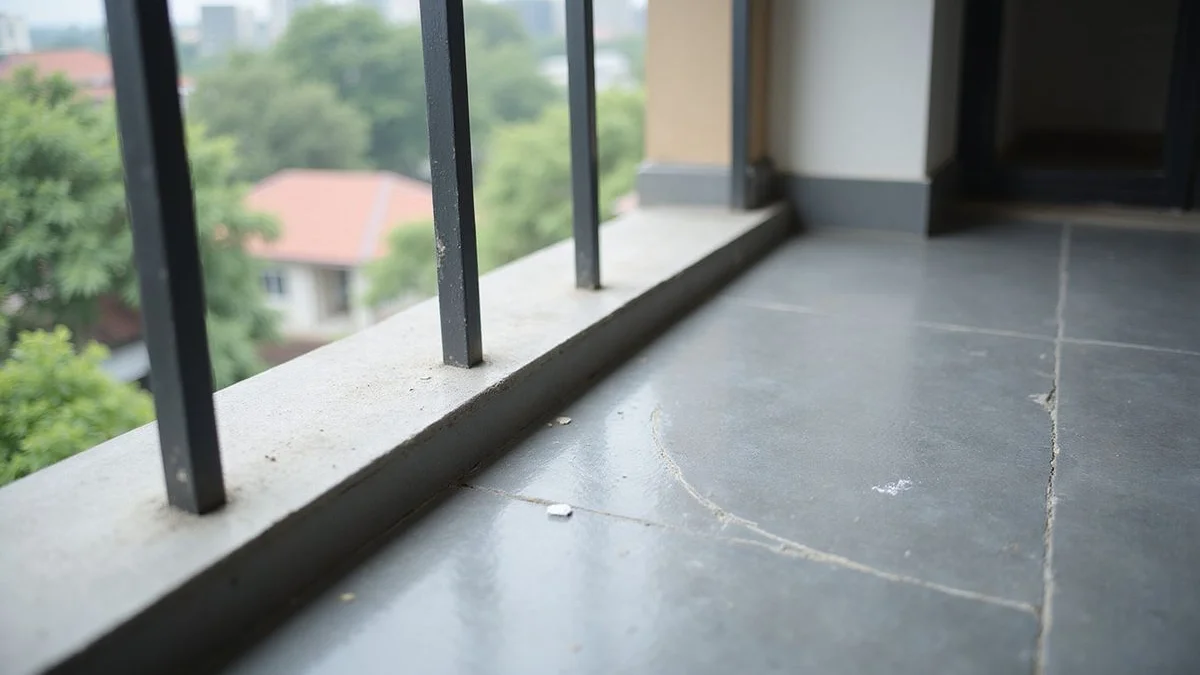
Balconies are a top leak source in Puchong landed homes — particularly in Bandar Kinrara, Puchong Jaya, and Taman Putra Prima where homes are 15-20 years old.
What to look for:
- Hairline cracks in the floor slab, especially at the junction with the wall.
- Ponding water after rain — meaning the slope isn’t carrying water off the balcony.
- Loose or hollow-sounding tiles when you tap them — failed waterproofing underneath.
- Salt deposits or efflorescence on the wall below the balcony from inside or outside.
4. Test the Gutters and Downpipes
With a garden hose, run water through the gutter and watch:
- Does it flow freely to the downpipes, or pool?
- Are the downpipes clear, or do they back up?
- Does any water drip from the bottom of the gutter (failed joints)?
A blocked downpipe in a Puchong landed home will overflow during the first 15 minutes of a heavy downpour and dump water against the wall.
5. Check Window and Door Seals
Sliding doors and casement windows on upper floors can let wind-driven rain through failed gaskets and sealant. Look for:
- Old or cracked sealant around frames.
- Water staining on internal sills.
- Gaps you can see daylight through.
These are easy to address before the rain arrives.
What to Do If You Find a Problem
For small, isolated issues — a single cracked tile, a sealant gap, a clear gutter — DIY fixes can hold for the season.
For anything bigger — failed flashing, balcony waterproofing failure, ceiling staining that suggests a roof issue — get it looked at properly before the monsoon, not during. Once you’re trying to coordinate waterproofing in active rain, you’re at the mercy of dry days, and meanwhile the damage spreads.
If you want a pre-monsoon inspection across your roof, balconies, and ceilings, WhatsApp us. We’re based in Bandar Puteri and offer same-day weekday visits across Puchong.
For the full breakdown of our roof and waterproofing service, see our Roof Leak & Waterproofing page.
Tags: roof-leak, waterproofing, monsoon, puchong